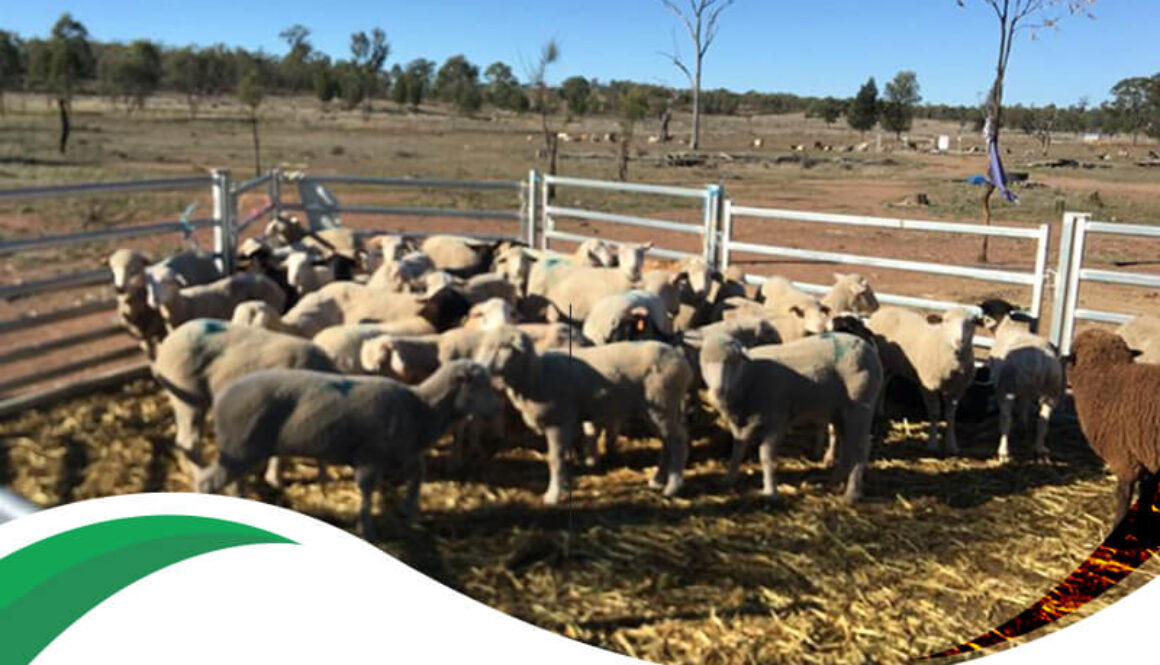
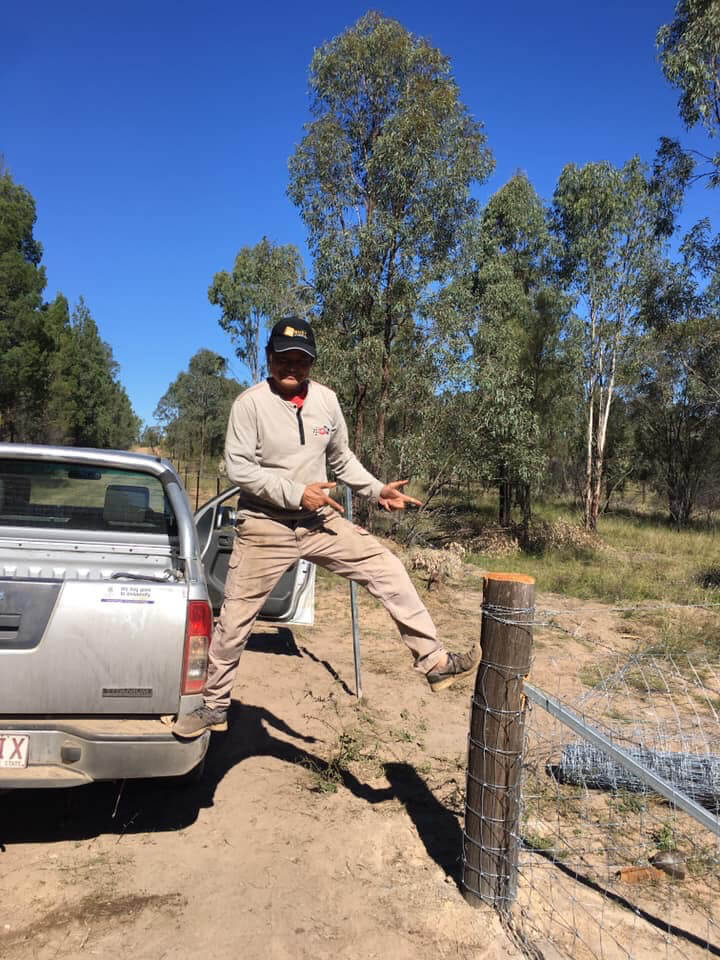
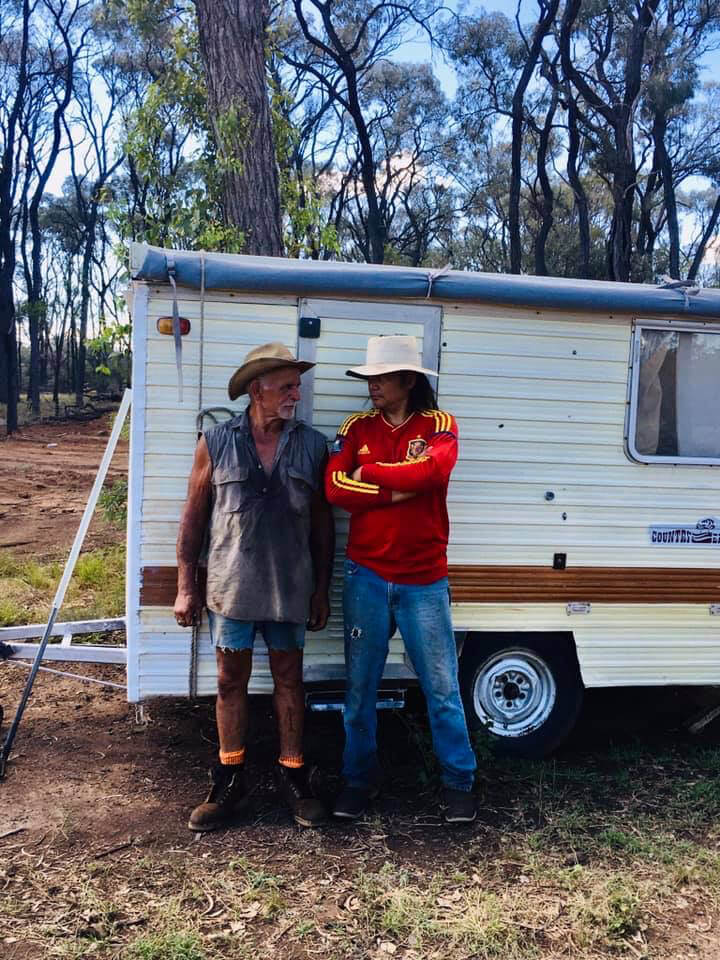
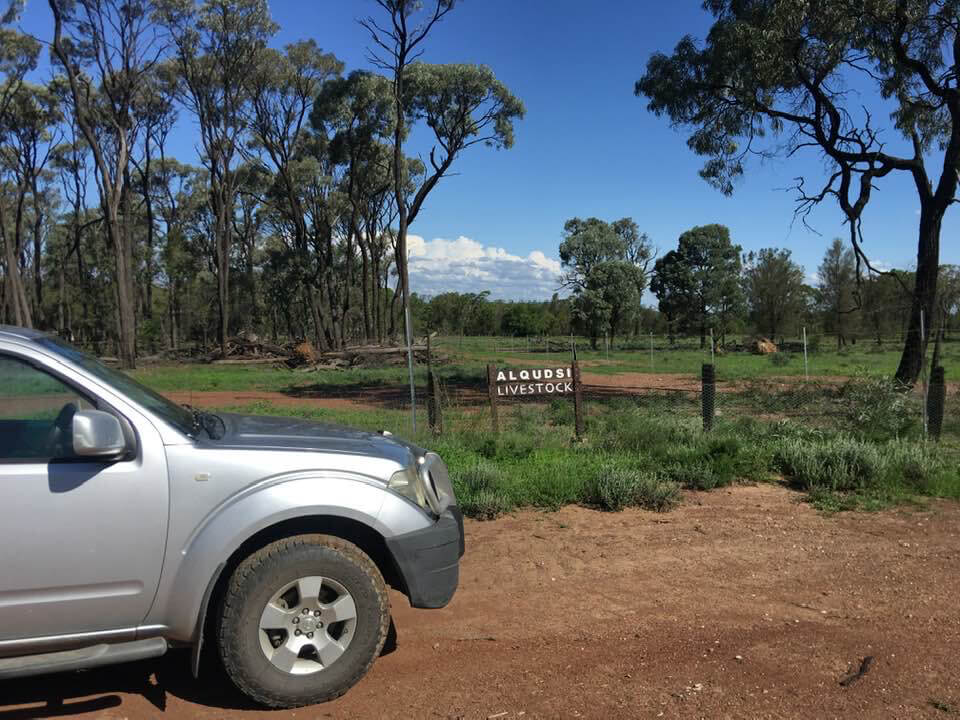
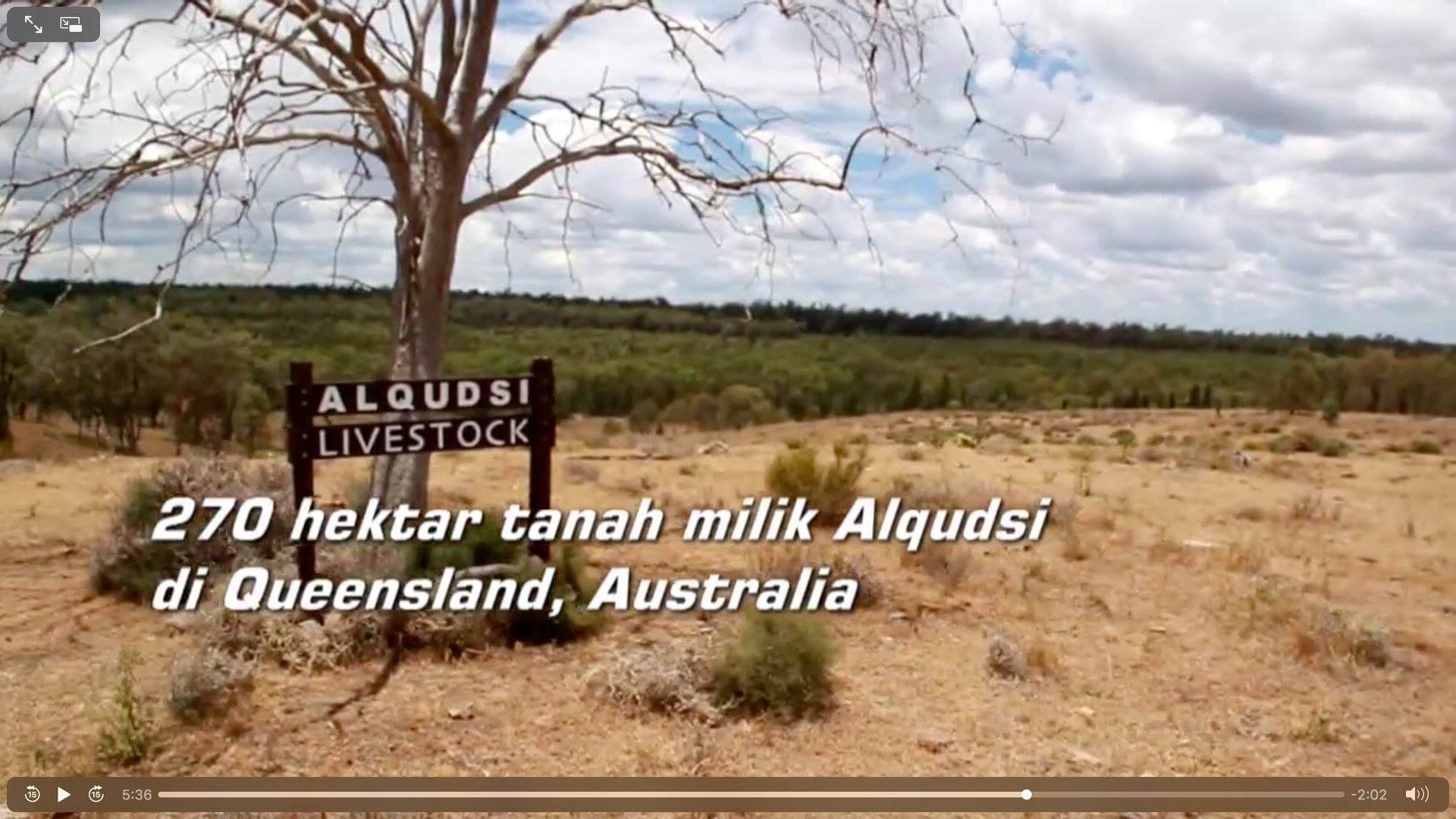
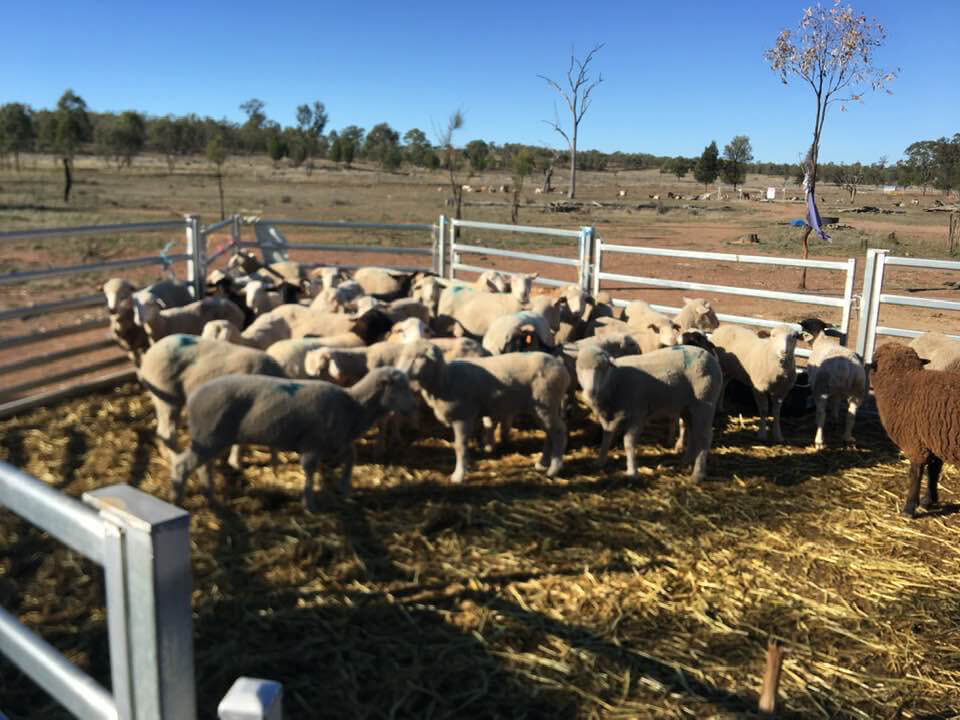
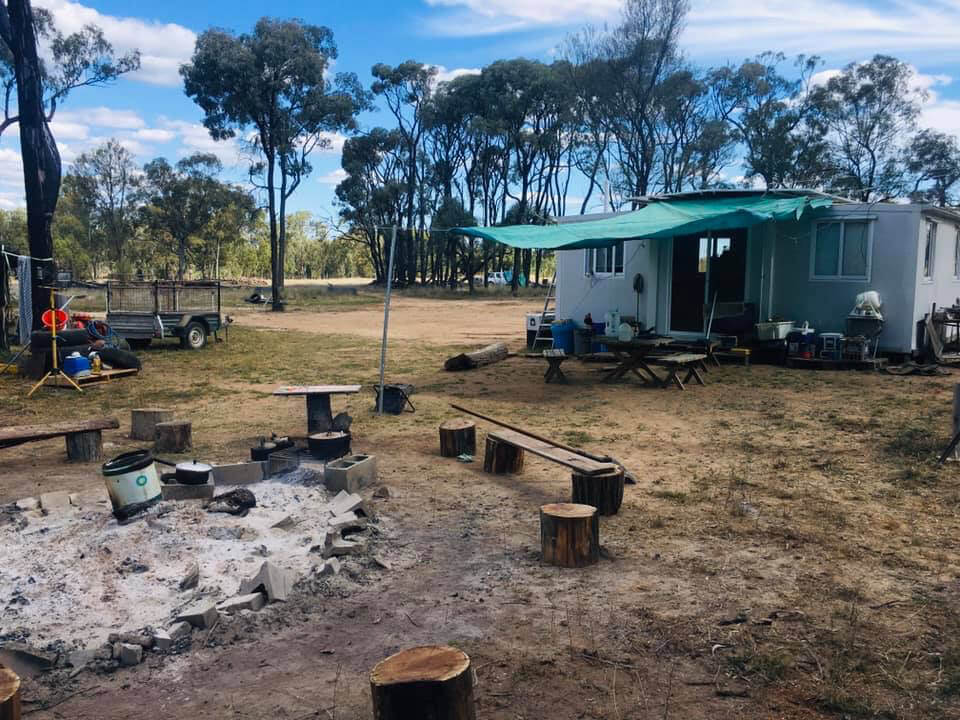
he acquisition of our first livestock farmland marks a defining milestone for Alqudsi Agri. Spanning an impressive 668 acres in Milmerran, Queensland, this property represents more than just land—it is the foundation of our long-term vision to build a sustainable, integrated, and premium livestock operation.
Strategically located in one of Australia’s most productive agricultural regions, this farmland serves as the starting point for our expansion into large-scale livestock farming, particularly in the goat industry.
AUSTRALIA: Dr. Syed Ghazaly Syed Agil is now the only Singaporean native who owns a goat abattoir in Western Australia.
According to Dr. Syed Ghazaly, there were previously only four halal-certified abattoirs in Western Australia.
The abattoir, located in Geraldton, is expected to begin operations as early as next month.
The ownership of the abattoir by a Malay Singaporean also ensures a complete “halal” meat supply chain from start to finish for Muslim customers.
WHY DID HE DECIDE TO OWN AN ABATTOIR IN AUSTRALIA?
The CEO of Alqudsi Properties explained that the process of acquiring the abattoir began in 2017.
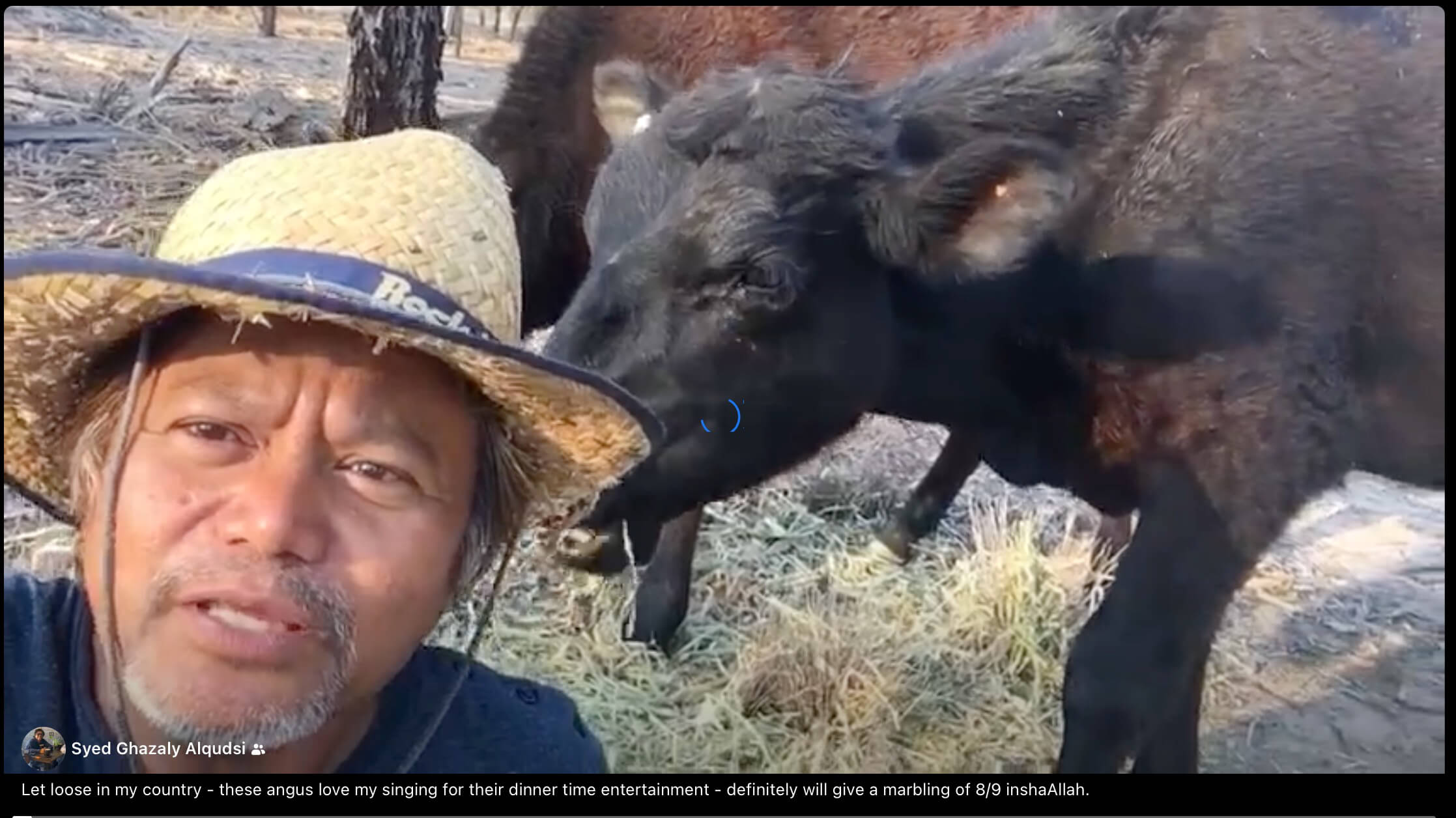
“I own a goat farm in Queensland, Eastern Australia. For a long time, I tried to use slaughtering services from other abattoirs in Australia and export under my own brand. However, it was never accepted because the final decision rested with them (the abattoir owners),” said Dr. Syed Ghazaly.
“Even if they agreed to export under my brand, the prices would be increased. That is not sustainable in the long term,” he added.
This meant that goat meat sales were often limited to buyers within Australia only.
Additionally, he could only perform religious practices such as Aqiqah on a small scale.
However, that situation will now change as Dr. Syed Ghazaly owns his own abattoir.
“Now that I own this abattoir, I can control pricing and services. I can also prioritize Malay/Muslim customers for export,” he said.
CAPACITY TO SLAUGHTER UP TO 2,500 GOATS PER DAY
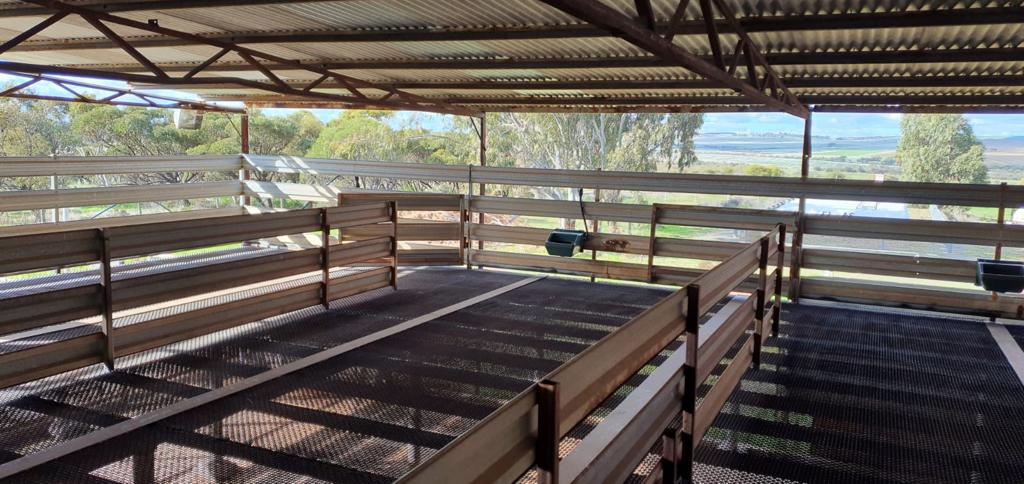
Dr. Syed Ghazaly explained that the acquisition also includes a goat farming facility.
Both facilities are located on a 77-acre piece of land.
He revealed that the total cost of acquiring the abattoir and farm was AUD 3.4 million.
According to him, the Al-Q Meats abattoir is capable of processing up to 2,500 goats per day.
The farm can accommodate at least 30,000 goats at any given time.
“The first batch of goats will arrive at the farm as early as November,” he said.
To run operations at Al-Q Meats, Dr. Ghazaly stated that at least 45 workers are required daily.
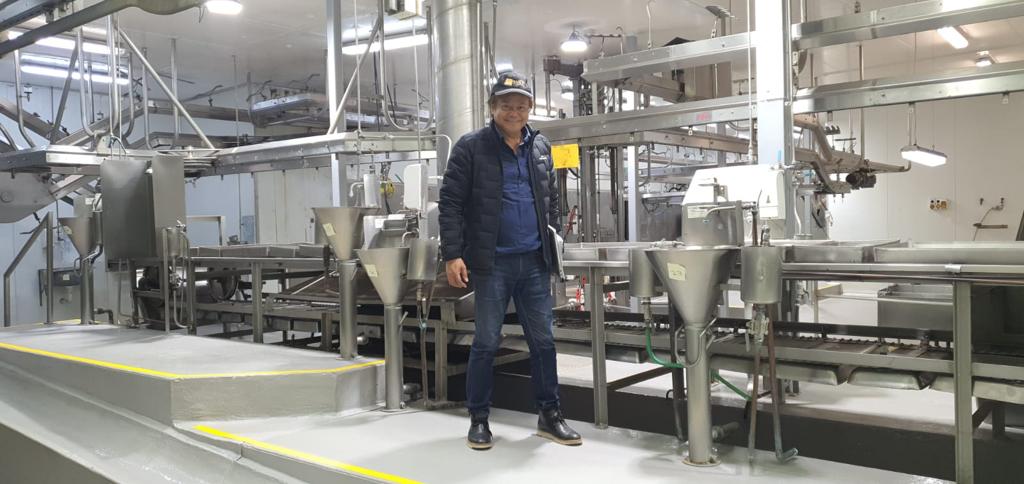
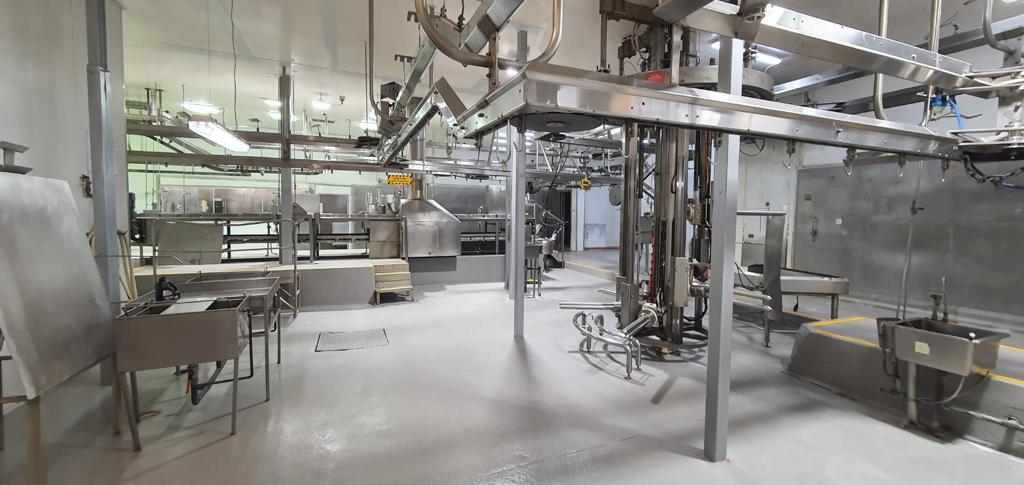
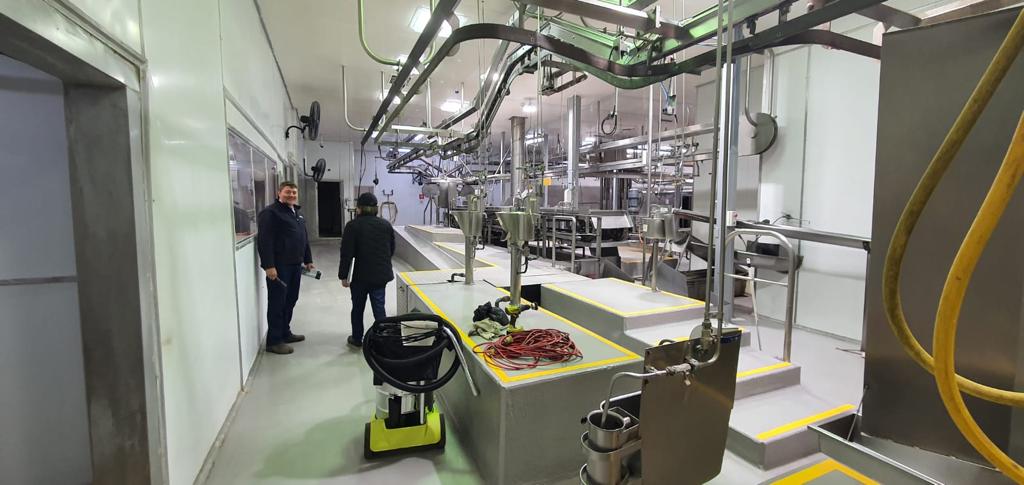
The abattoir will operate using advanced machinery, including automated skinning equipment.
“Using such machines reduces the need for manpower and speeds up the slaughtering process,” he explained.
PRIORITIZING SINGAPORE AND MUSLIM CUSTOMERS
Dr. Syed Ghazaly also shared that he is in the process of obtaining licenses to enable exports to other countries.
Currently, only four abattoirs in Western Australia hold halal certification.
However, those abattoirs are owned by non-Singaporeans, including individuals from Italy and China.
With ownership of this abattoir, Dr. Syed Ghazaly believes he can contribute to Singapore’s food security.
“If anything happens to Singapore’s meat supply, my company can step in to supply meat first,” he said.
“That is one of our main goals—to supply meat to Singapore whenever there is demand or need,” he added.
Besides Singapore, Al-Q Meats plans to export meat to Malaysia, Brunei, and Dubai in the initial phase.
PLANS FOR EID AL-ADHA 2024
Dr. Syed Ghazaly noted that the price of sacrificial goat packages during Eid al-Adha is usually higher than normal days.
“Sometimes, the cost can increase by up to 50% during Eid al-Adha,” he said.
However, as a new abattoir owner in Western Australia, he plans to maintain stable pricing.
“The highest package price we may set is around S$280. We will do our best to carry out Qurban without increasing prices,” he explained.
He added that this is possible because the entire process is managed internally by his company.
Initially, Al-Q Meats will process about 1,000 goats per day.
Within six months, this capacity is expected to increase to 2,500 goats daily.
By next year’s Ramadan, expected to fall in June, the company plans to double production to 5,000 goats per day.
LONG-TERM EXPORT PLANS OF ALQUDSI
Dr. Syed Ghazaly stated that approximately 396,000 kilograms of goat meat will be exported monthly during the first six months of operation.
“After the first six months, we aim to export around 1.3 million kilograms of goat meat monthly. Each goat yields about 18 kilograms of meat,” he said.
He also revealed plans to expand export markets further.
Future targets include the United States, Middle Eastern countries, and China.
“At the farm, everything is well-managed, including feed. We will also conduct breeding processes here,” he explained.
He added that controlled breeding, including crossbreeding, will produce premium-quality goat meat with unique taste characteristics.
“This allows us to create meat quality and flavors different from regular goat meat, as we control everything internally,” he said.
Dr. Ghazaly also mentioned that there is demand for such premium goat meat from customers in South Korea and Japan.
The new owners of a mothballed abattoir in Western Australia’s mid-west, the Alqudsi Agri Group, have revealed plans to export sheep meat directly from Australian paddocks to markets in Singapore, Malaysia, and the Middle East.
Alqudsi Agri Group executive director Syed Ghazaly said he hoped to have the facility running by mid-February under the name Al QMeats.
“We want to start at 1,000 [sheep] per day, but overall by next year we want to increase it to its maximum capacity of 2,500,” he said.
“My ready customers are in Brunei, Malaysia, Singapore, and the Middle East. The 1,000-kill per day would eventually cover them.
“I will kill rams — they are for Singapore, they like the older sheep — Brunei and Malaysia want mutton and lamb, but the Middle East just want lamb.”
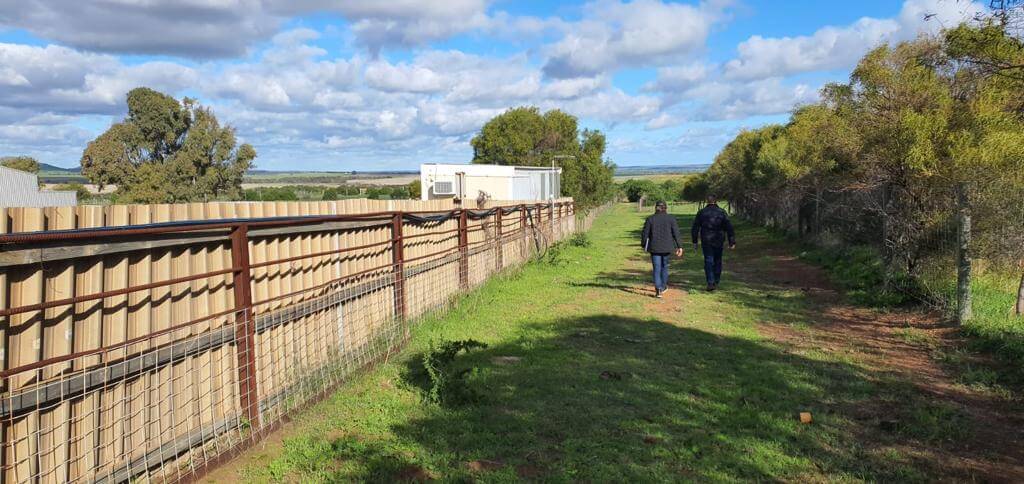
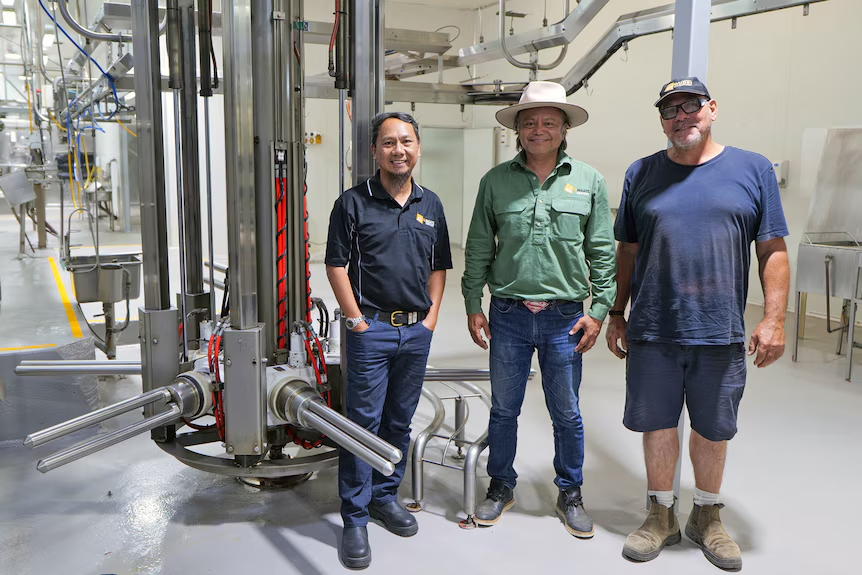
Hidayat Ariffin, Syed Ghazaly, and Julian Manning at the Geraldton abattoir. (ABC Mid West and Wheatbelt: Chris Lewis)
Formerly known as Geraldton Meat Exports, or GME, the abattoir on the outskirts of Geraldton has not operated since 2018.
WA’s sheep industry has been plagued by delays in the processing sector with the limited capacity of the state’s few operating abattoirs reducing demand and pushing down prices.
Mr Ghazaly said Al QMeats would produce halal-certified meat, where animals are pneumatically stunned, slaughtered while facing Mecca, and drained of their blood.
While some meat will be available to the mid-west domestic market, Mr Ghazaly said most would be frozen or chilled, containerised, and exported to overseas markets.
Confident about supply
Despite the current raft of challenges faced by the WA sheep industry — such as poor prices, uncertainty about the future of the live export trade, and dry conditions — Mr Ghazaly said he was confident about a regular supply of sheep.
“Of course, we have to put that as one of our challenges, but I will be having my own sheep station so I will be [breeding] as many as possible,” he said.
“The supply will be there. We have 14 million sheep [in WA].”
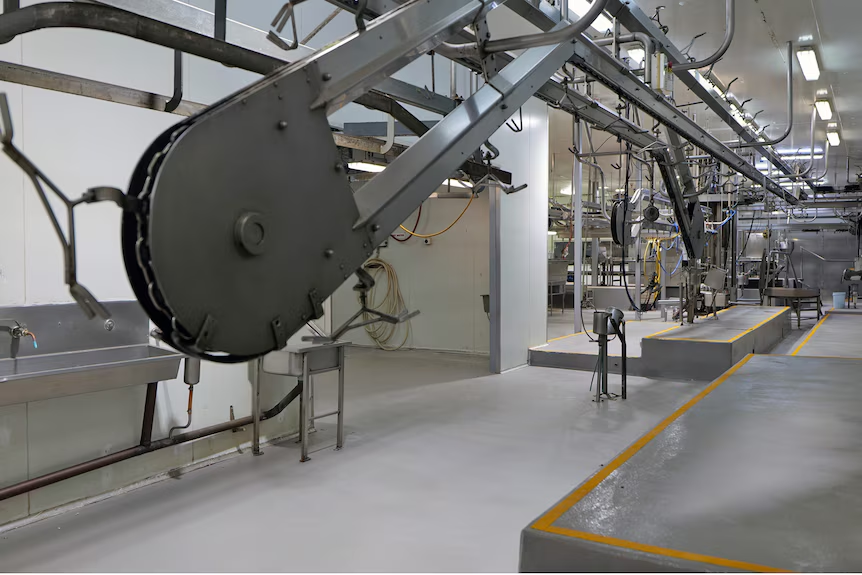
The good condition of some of the equipment at the Geraldton abattoir appealed to the new buyers. (ABC Mid West and Wheatbelt: Chris Lewis)
Mr Ghazaly said he would like to introduce a beef line into the abattoir in two years.
Al QMeats requires about 50 people at the Geraldton property, and Mr Ghazaly said the company was looking to employ locals, but would also explore options of employing people under working visas.
Before the doors can open, work is required on the abattoir’s refrigeration unit, boiler, and wastewater management systems.